Immortal Hulk is easily one of the most talked-about Hulk comics in some time, though the idea of a shockingly powerful, intrinsically misanthropic Hulk certainly isn’t without precedent. Indeed, much of what made the run so successful for all fifty issues was its willingness to move slightly away from standard Marvel Comics hijinks in order to embrace the weird sci-fi and horror concepts that were baked into the concept from the jump.
Yet, taking it all one step further to address heavy subjects such as immortality in the Marvel Universe, as well as dealing with long-term trauma caused by childhood abuse, is what made this book something significantly more than a retread of the Hulk’s weirdest moments. Though this builds on what came before, there has never been a comic quite like The Immortal Hulk
 concluded recently after well over a year of space empire madness, cosmic wars, and not even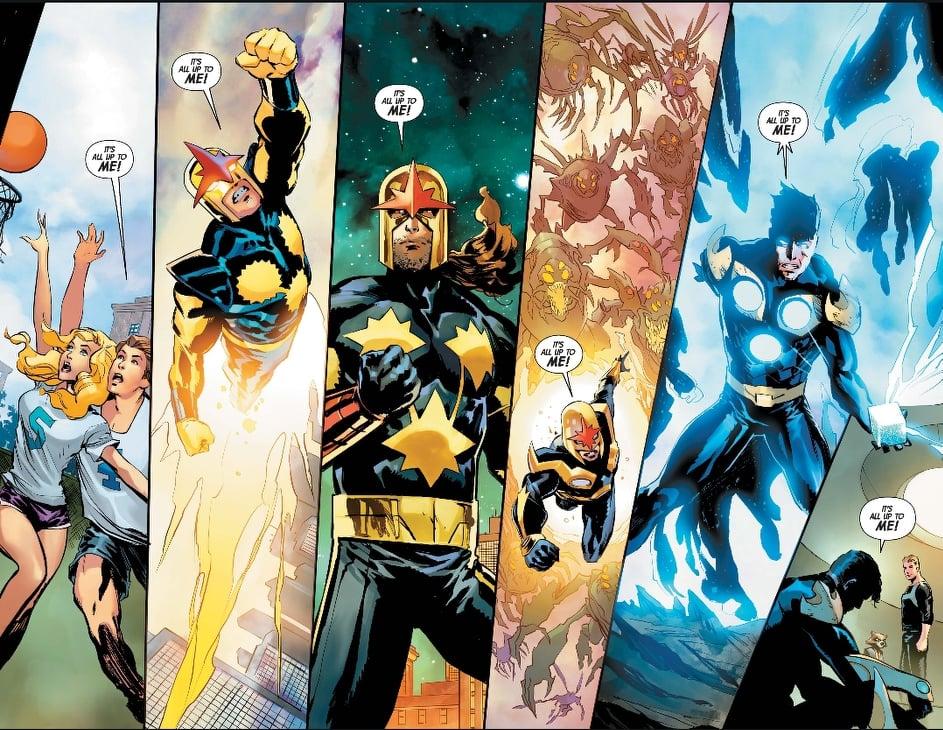
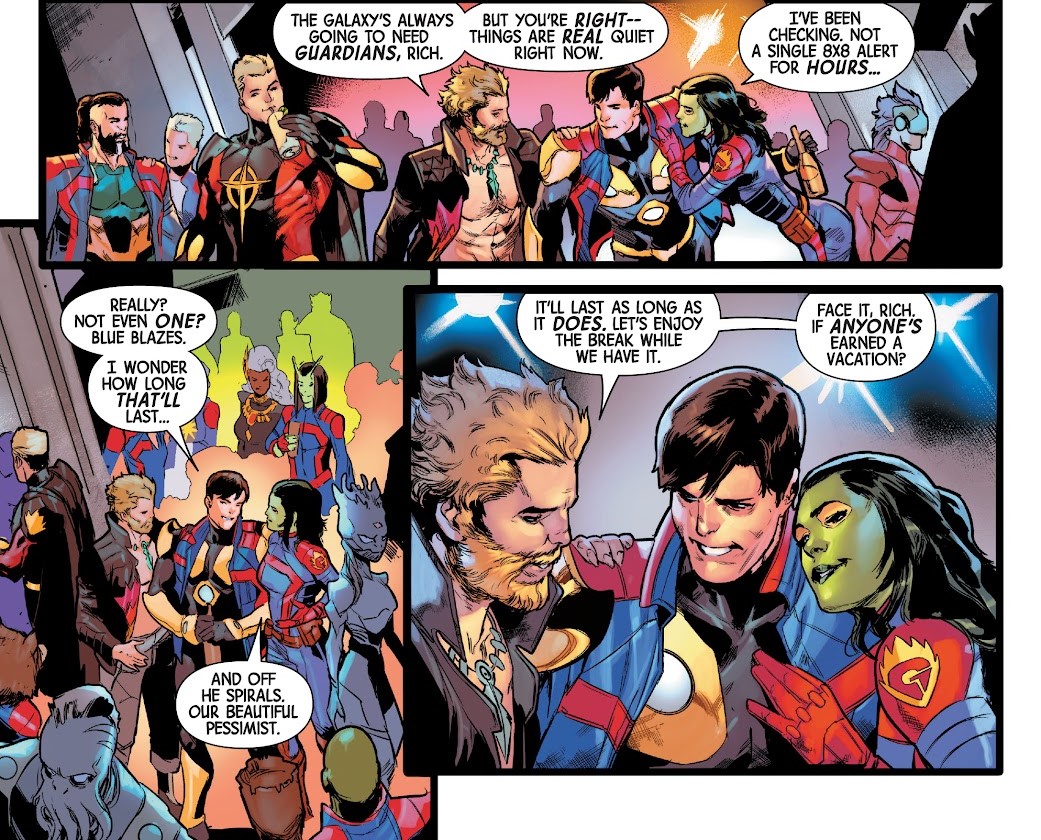
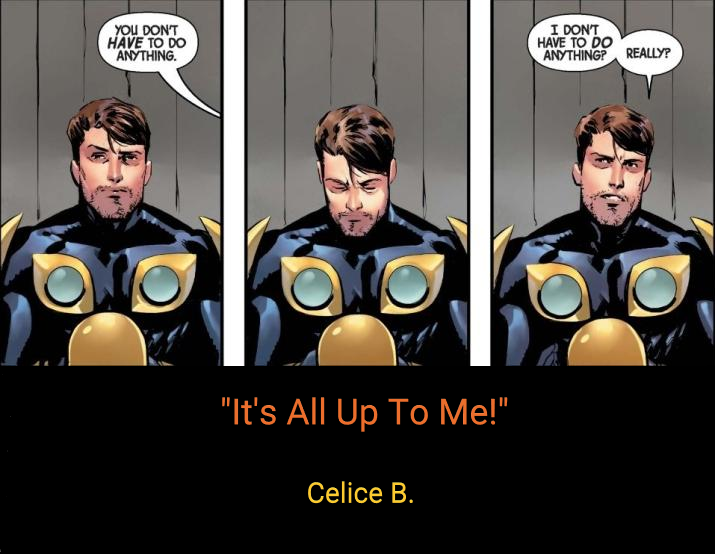
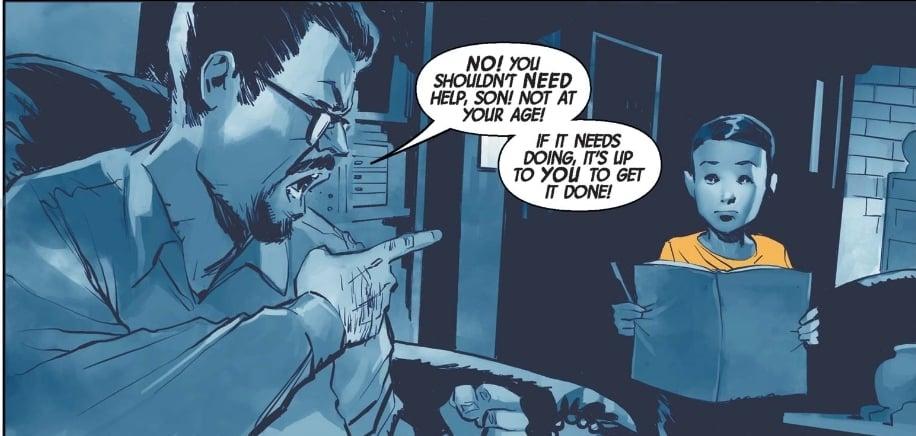 While well-intentioned it was a toxic idea of masculinity that drove Richard to put himself in harm’s way and be self-sacrificing in every possible context. Richard became damaged cumulatively from attempting to handle everything himself over the course of his history. All of that existing trauma is made worse by losing his mentor and friend Peter Quill aka Star-Lord, who in that same issue says he loved Peter to Gamora (the implications of that are clear but left up in the air in-story). That is given a pretty devastating response by Gamora who tells Richard that it was easier to love him when he was dead. We get a surgical review of why and how Richard is broken to his therapist. But it also culminates in Richard being asked by his therapist a pretty simple question: why can’t he see that he deserves love and help?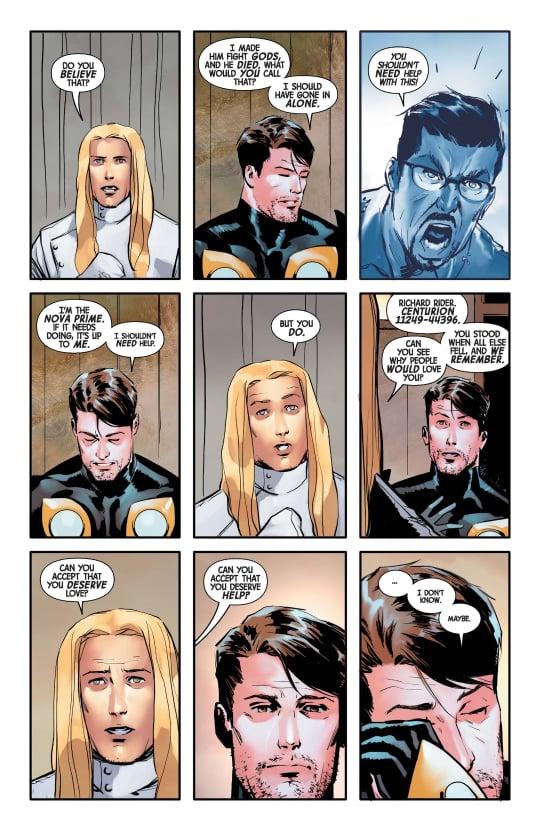
 does with regard to the topic of Banner’s Dissociative Identity Disorder. It also doesn’t do what a lot of other comics have tried, which is to simply use it as a story prop, or in such a heightened way that it ends up being harmful in comics such as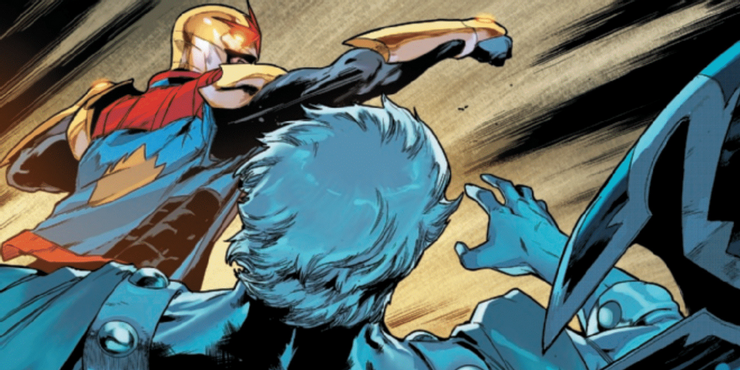
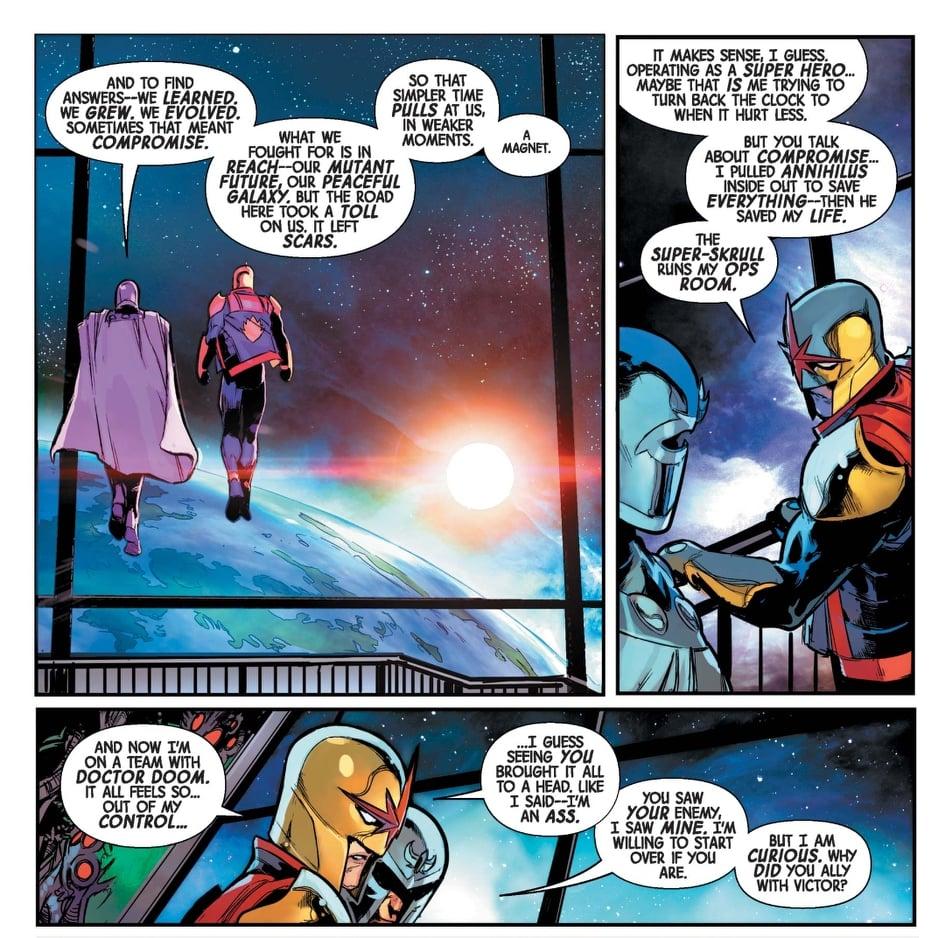 That feeling of loss of control gets exacerbated with the events of the Hellfire Gala where the nation of Krakoa reveals a new resource/currency called Mysterium which it blatantly uses to bribe other galactic powers into recognizing its colonization of Mars and declaration of rule over Earth’s solar system. All of that weighs on Richard who can only see the negatives involved given that he’s witnessed so many promising beginnings end in tragedy. Again we’re given a fairly reasonable understanding for Richard’s actions whose constant flirtations with tragedy over the recent past have made it difficult for him to not see bad ends. Whether that’s having to cut deals with supervillains, coping with his own self-loathing and loss, or having to watch the world he’s known for so long change before his eyes. All of that weighs on a person.
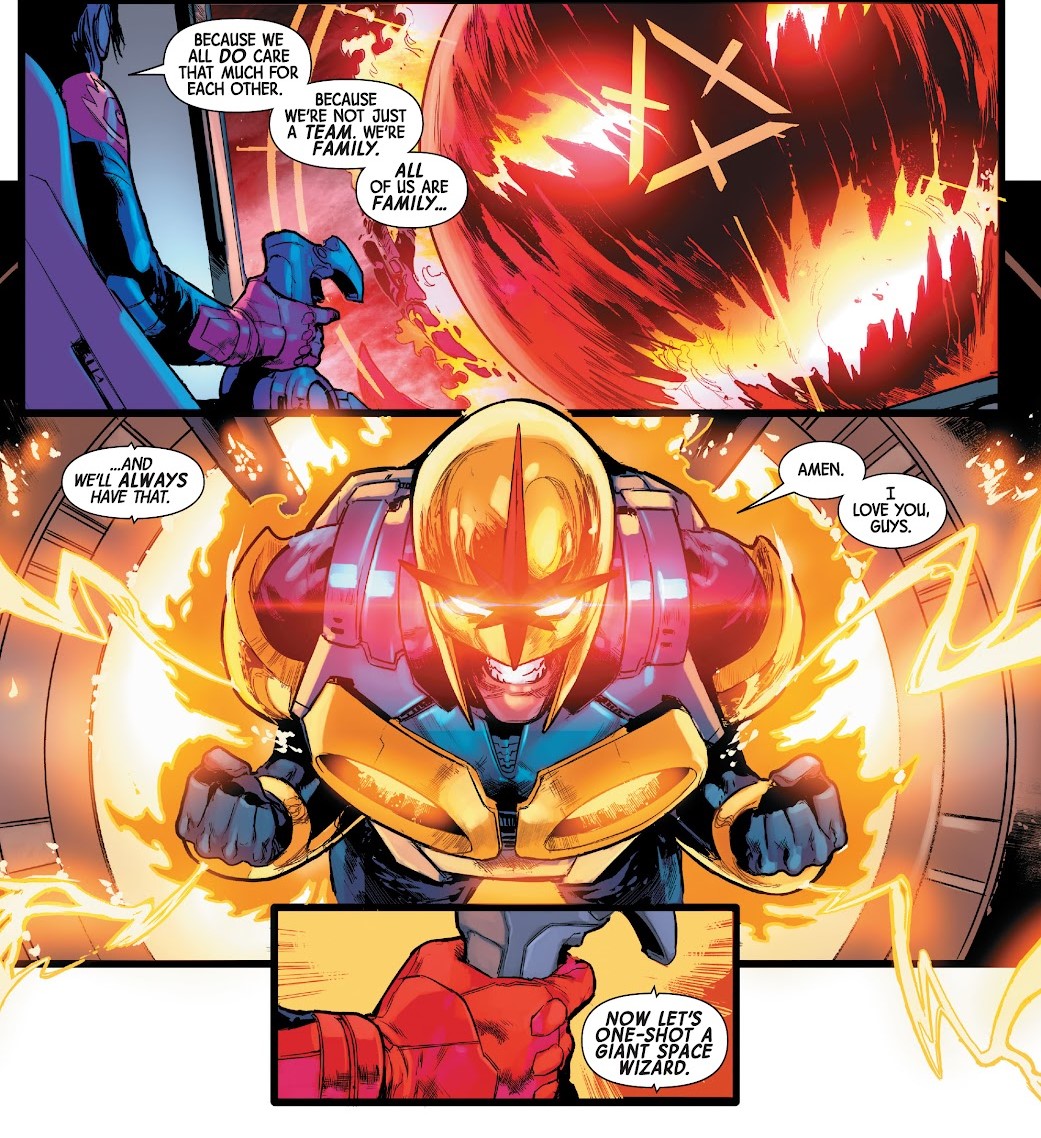 This is of course how the best comics are made. But more importantly Richard himself finally gets a win; he hears the words he really needed to hear: that he was loved by the people he loves in return. The aftermath sees so many long-standing enemies bury the hatchet, and relationships renewed. In Richard’s case he decides he can finally come to a stop for once. That the burden of duty isn’t solely on him anymore like he’s believed his entire life and can stop and do what he wants for a change.